
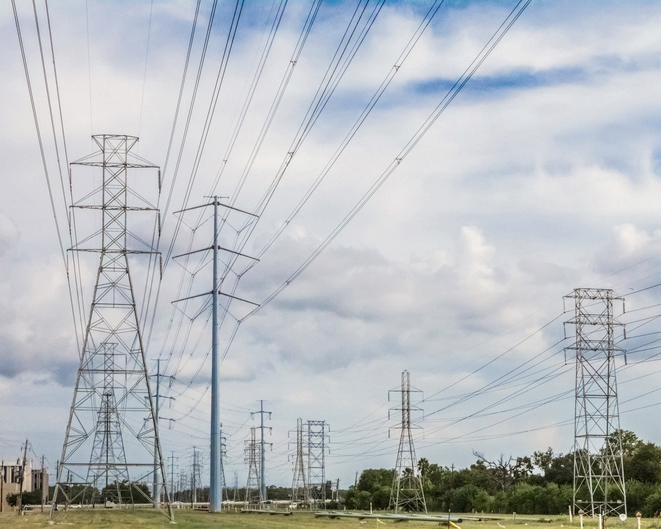
ERCOT Runs the Texas Power Grid for Texans

Most states share power with their neighbors, but Texas does things differently. The Lone Star State keeps the Texas electricity grid, called ERCOT, separate from any other US power grid. And that choice shapes everything from your electricity bill to how well the lights stay on during a bad storm.
It Started a Long Time Ago
Back in the mid-1900s, Texas utility companies started connecting their systems with each other, keeping things inside the state. As part of the Federal Power Act of 1935, Texas utilities stayed independent by not connecting to other states. No electricity came into Texas and none went out. Then in the 1970s, the federal government began expanding its control over electric grids that crossed state lines. While the Texas grid had to comply with national reliability standards, it has stayed separate ever since.
The Electric Reliability Council of Texas (ERCOT) operates the grid for about 90% of the state’s load. Federal law actually blocks AC power from other states syncing up with the ERCOT grid. As a result, Texas gets to write most of its own rules and set its own electricity prices. But, it’s also responsible for generating and transmitting most of its own power. And the amount it needs keeps going up.
One Small Exception
Texas isn’t completely cut off. A few small connections link ERCOT to neighboring grids, but there are strict limits. While some AC power can trickle in or out, it’s not nearly enough to save Texas during a major crisis. One connection method is to use high-voltage direct current (HVDC) instead of the standard AC power. This gets around the cross state rule because HVDC must be converted to AC power and then synchroized to the Texas grid. However, while this maintains ERCOT’s independence, it’s expensive for the utilities that want to invest in it.
The Good and the Bad of a Separate Power Grid
Running a separate grid comes with real upsides. Texas controls its own power market, which helped create strong competition among light companies and fueled rapid growth in wind and solar energy. Less federal involvement also means fewer outside regulations telling the state how much to charge and what it must do.
But there’s a downside too. When a heat wave or winter storm pushes demand through the roof, Texas can’t import lots of power from other states. More connections to outside grids would give Texas a bigger safety net. And they would also help move excess renewable energy out of the state when it’s producing more than it needs.
What the Texas Power Grid Means for You
Having a standalone grid gives Texas more flexibility and local control. On the flip side, this isolation means less backup when things go wrong. So over the long term, both of these realities directly affect your electricity rates and how reliable your power is during a crisis.
As Texas keeps growing, the debate over whether to add more outside connections isn’t going away. But, knowing how the Texas grid works gives you the power to choose from electricity plans that make sense for your situation.
To compare electricity plans in your area, check out https://www.powerchoicetexas.org/cities.